
Potassium Azeloyl Diglycinate vs. Azelaic Acid: The Gentle, Hydrating Brightener
Published 15 September 2025 · Updated July 6, 2026 · min read
Potassium Azeloyl Diglycinate (PAD) vs. Azelaic Acid:
The Gentle, Hydrating Brightener
What is Potassium Azeloyl Diglycinate (PAD)?
Potassium azeloyl diglycinate (PAD) is a hybrid molecule made by attaching azelaic acid, a multitasking acid prescribed for tone and acne, to glycine (an amino acid), and buffering with potassium. This structure is water-soluble, unlike traditional azelaic acid, which is poorly soluble and gritty in most leave-on formulas.
How Is This Different from Azelaic Acid?
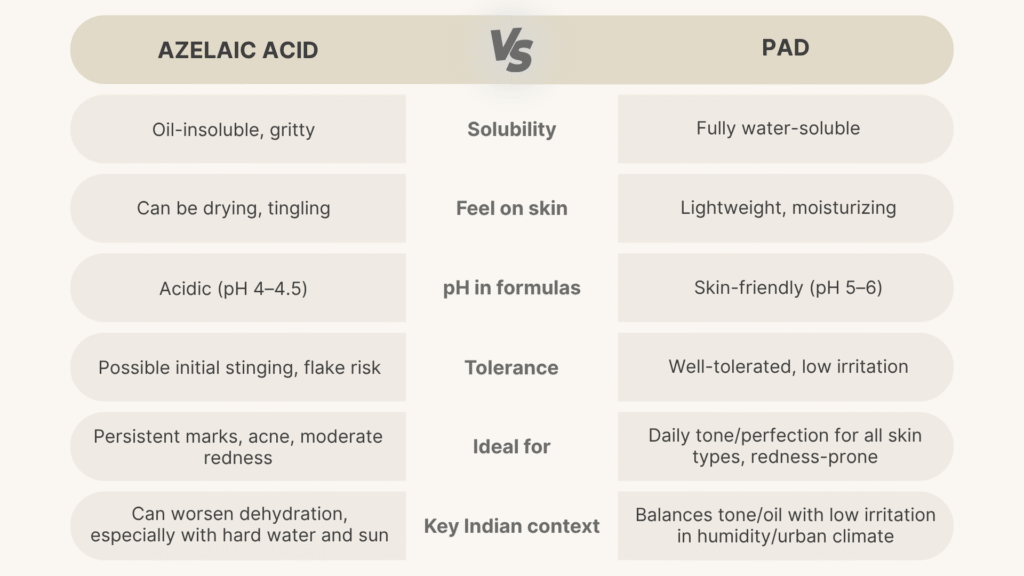
Traditional azelaic acid is a dermatologist staple for post-inflammatory pigmentation and acne, but its acid form is less compatible with Indian use conditions, high heat, stickiness, and frequent sensitivity. PAD offers broad-spectrum benefits with lower risk of redness, stinging, or flakes in darker or easily reactive skin.
How PAD Works?
-
Blocks Tyrosinase: Reduces melanin cascade at the source.
-
Quells Inflammation: Calms cytokine storms that trigger redness, stinging, and post-acne irritation.
-
Regulates Oil: Normalizes active sebaceous follicles to visibly improve shine and reduce the look of clogged pores.
-
Hydrates and Soothes: Supports the natural moisturizing factor, countering dehydration and hard-water stress.
How to Use PAD in a Routine?
-
Cleanse with a gentle, non-foaming formula.
-
Apply a water-based PAD serum or moisturizer on slightly damp skin.
-
Layer a barrier-supporting moisturizer over, especially if air con or hard water causes extra dryness.
-
Finish with broad-spectrum sunscreen, every day.
-
Start alternate nights, then build to daily AM/PM if no signs of irritation.
Safety, Patch Test, and Suitability
Potassium azeloyl diglycinate is low-irritation but patch testing is essential: apply a tiny amount on clean skin behind the ear/inner arm and check for any adverse response over 48 hours. Discontinue use if persistent irritation develops. Suitable for all tones, especially those prone to visible unevenness, recurring marks, or barrier disruption.
The Bottom Line
For Indian skin, oil-prone, sensitive, pigment-prone, often exposed to harsh weather and environmental stressors, PAD offers a next-generation alternative to classic acids. It can help achieve a visibly clearer, more even, and hydrated look with lower risk of irritation or barrier disruption, fitting seamlessly into daily routines for both beginners and seasoned skincare users.
Frequently Asked Questions
What is the difference between azelaic acid and potassium azeloyl diglycinate?
Azelaic acid is a well-studied dicarboxylic acid used for acne, pigmentation, and redness but can cause dryness or tingling, especially in sensitive skin. Potassium azeloyl diglycinate is a water-soluble, glycine-derived form of azelaic acid that offers similar brightening, anti-inflammatory, and oil-regulating benefits but is gentler, more hydrating, and better tolerated in daily skincare.
Is potassium azeloyl diglycinate good for acne-prone and sensitive skin?
Yes. It combines the sebum-regulating, anti-inflammatory, and antibacterial actions of azelaic acid with a lower risk of irritation, making it suitable for acne-prone, sensitive, and redness-prone skin, including Indian skin types exposed to heat and humidity.
Can potassium azeloyl diglycinate fully replace azelaic acid in my routine?
It can be an effective alternative, especially if you find standard azelaic acid too drying or irritating. PAD retains the key benefits for marks, pigmentation, and oiliness but with added hydration and comfort for daily use.
Can I use it with other actives like niacinamide or salicylic acid?
Generally, yes. PAD combines well with most barrier-supporting and anti-acne ingredients, but always introduce one new ingredient at a time and patch test if your skin is sensitive.
Do I need to patch test before using potassium azeloyl diglycinate?
Yes. Even gentle actives should be patch tested to rule out rare sensitivities.
How soon can I see results?
Improvements in visible redness, oiliness, and clarity can be seen in as little as 3–4 weeks with consistent daily use, while fading dark spots may take 6–8 weeks or longer, depending on the depth of pigmentation and skincare routine.
More from the Dossier.
Formulation 4 min
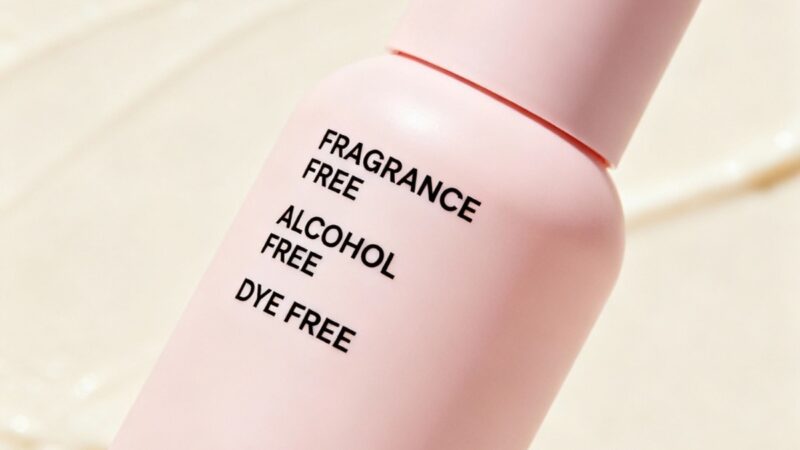
The Hidden Irritants: Why Skip Fragrance, Alcohol, and Dyes?
Fragrance, drying alcohols, and synthetic dyes add little but risk: irritation, a weakened barrier, and pigmentation, especially on Indian skin in heat and humidity. Leaving them out is the safer, more effective choice.
28 October 2025
Formulation 4 min
Why Opaque Packaging Matters for Active Skincare
Light and air quietly degrade actives like vitamin C, retinoids, and some UV filters. Opaque, airless packaging protects potency, and it matters more in India’s bright, humid climate.
27 October 2025
Routine 3 min
Decoding Cleansers: How Your Face Wash Shapes Your Skin Barrier
Cleansing is the step most likely to damage your barrier. The right cleanser (gentle, pH-appropriate, sulfate-free) lifts buildup without stripping the lipids and ceramides your skin depends on.
2 October 2025